Score420 Is Sending You to the 2026 New Mexico State Fair
September 14, 2026
Score 420 4th St
Score 420 Alamogordo
Score 420 Appaloosa
Score 420 Clovis
Score 420 East Central
Score 420 Farmington
Score 420 Fort Sumner
score 420 Gallup
Score 420 Hobbs
Score 420 Las Cruces
Score 420 Nob Hill
Score 420 Old Coors
Score 420 Old Town
Score 420 Sunland Park
Cannabis culture has seen a significant shift in recent years, with increasing acceptance and legalization across the United States. As more individuals explore the benefits of cannabis for various purposes such as pain relief, stress reduction, and creative inspiration, it becomes essential to grasp the terminology associated with this plant.
Before stepping into a dispensary, familiarizing oneself with cannabis vocabulary is crucial for navigating the diverse product offerings and making informed decisions tailored to personal preferences. By understanding key terms related to cannabis cultivation, chemical components, consumption methods, and legal aspects, beginners can elevate their shopping experience and ensure responsible use.
This knowledge empowers individuals to engage confidently with budtenders, select products aligned with their needs, and embark on a safe and enjoyable journey into the world of cannabis.
Cannabis cultivars are commonly categorized into three primary types: Indica, Sativa, and Hybrid strains. Each type exhibits distinct physical characteristics and effects, which influence user experience and suitability for various needs.
Indica strains are known for their relaxing and sedating effects. Here are some key features:
Sativa strains are known for their energizing and uplifting effects. Here are some key features:
Hybrid strains are a combination of Indica and Sativa cultivars. Here are some key features:
When selecting cannabis cultivars, it’s important to consider the effects you desire. Here are some guidelines:
Selection should align with intended outcomes:
Consideration of terpene profiles alongside cannabinoid content further refines choice. For example, strains rich in myrcene tend to be more sedative, whereas limonene-rich cultivars may uplift mood.
Understanding these distinctions equips beginners with the knowledge needed to make informed decisions when exploring cannabis products tailored to their unique preferences and requirements.
Understanding the distinction between THC and CBD is crucial for consumers to make informed decisions based on their desired outcomes. While THC offers recreational enjoyment and certain medicinal benefits, CBD is sought after for its therapeutic potential without the intoxicating effects. The interplay of various cannabinoids in cannabis products contributes to the diverse range of experiences users can encounter based on product composition.
Flower, also known as buds, is the raw, unprocessed cannabis plant that is harvested, trimmed, and dried. It is typically consumed by smoking in various forms such as joints, blunts, pipes, or bongs. Vaporizing the flower is another popular method where the cannabinoids are heated to a temperature that releases them as vapor without combustion.
Concentrates are potent extracts derived from the cannabis plant. There are two main types of concentrates based on the extraction method used:
Edibles are food or drink products infused with cannabis extract. They offer a discreet way to consume cannabis with effects that can take longer to kick in compared to smoking or vaping due to digestion.
Tinctures, on the other hand, are liquid cannabis extracts that can be consumed orally or sublingually (under the tongue) for faster absorption into the bloodstream. They are often preferred for their precise dosing and quick onset of effects.
For a deeper understanding of these different types of cannabis products, you might find this comprehensive guide useful.
When exploring the world of cannabis consumption, it’s important to understand the key equipment vocabulary to enhance your experience. Here are some important terms to know:
A grinder is an essential tool for cannabis enthusiasts as it helps break down the flower into fine, uniform pieces for consumption. By using a grinder, you ensure a consistent burn and optimal airflow when smoking or vaporizing cannabis.
A dab rig is a type of water pipe specifically designed for consuming cannabis concentrates through a process known as “dabbing.” This method involves heating a concentrate on a hot surface, then inhaling the vapor through the rig. Dab rigs come in various shapes and sizes, each offering a unique experience for concentrate enthusiasts.
A bubbler is a hybrid smoking device that combines the portability of a hand pipe with the added filtration of a water pipe. It features a water chamber that cools and filters the smoke, providing a smoother inhale compared to traditional pipes. Bubblers are versatile and come in different designs to suit individual preferences.
By familiarizing yourself with these essential equipment vocabulary terms, you can navigate the world of cannabis consumption methods with confidence and make informed choices based on your preferences and desired experience.
Dispensaries are licensed places where people can legally buy cannabis products for medical or recreational use. Knowing what a budtender does in a dispensary is important for improving the shopping experience and making informed choices that suit individual needs.
Dispensaries follow the laws set by each state to make sure they sell cannabis products legally. Whether it’s for medical reasons or adult recreational use, dispensaries create a safe and controlled space for customers to choose from different cannabis options.
Budtenders are crucial in helping customers pick products based on what they like, the effects they’re looking for, and how experienced they are. These experts provide information about various strains, ways to consume cannabis, recommended dosages, and possible effects to assist customers in making informed choices.
To become a budtender, one must have a thorough understanding of cannabis products, their effects, and the best ways to consume them. Those interested in this position often undergo specialized training to improve their knowledge of cannabis strains, terpenes, cannabinoids, and customer service skills. By keeping up with industry trends and regulations, budtenders can offer valuable insights to customers seeking personalized recommendations.
In simple terms, budtenders are trusted advisors within the dispensary who create a friendly environment where customers can confidently explore different cannabis products. Their expertise not only guarantees a pleasant shopping experience but also encourages responsible consumption practices among patrons.
When it comes to using cannabis, being responsible is key. This means understanding how much to consume and ensuring that you’re using it in a safe manner. Here are some guidelines to help you navigate responsible cannabis use:
One of the most important principles of responsible cannabis use is to start with low dosages and gradually increase if needed. This is especially crucial when it comes to edibles or concentrates, as their effects can be more potent and long-lasting compared to other forms of consumption.
In addition to dosage guidance, here are some essential safety tips to keep in mind while using cannabis:
By following these dosage guidelines and safety tips, you can enjoy cannabis responsibly while minimizing any potential risks associated with its use.
Understanding the legal framework surrounding cannabis is crucial for consumers navigating both medical and recreational markets. The legal landscape varies significantly between states, primarily divided into medical marijuana programs and adult-use (recreational) legalization.
Designed to provide access to cannabis for patients with qualifying health conditions. These programs often require registration with a state health department or designated agency. Patients receive a medical marijuana card after meeting specific criteria, enabling them to purchase cannabis products from licensed dispensaries under regulated possession limits. For instance, in Illinois, the medical cannabis program has specific guidelines and requirements that patients must follow.
Permits adults over a certain age (usually 21+) to purchase and consume cannabis without needing a medical justification. States with recreational legalization impose regulations on sales, packaging, potency limits, and consumption locations but do not require medical certification.
Eligibility for a medical marijuana card typically involves:
Example: In California, cardholders can possess up to 8 ounces of dried flower compared to 1 ounce for recreational users and pay lower taxes on purchases from licensed dispensaries.
Awareness of these distinctions empowers consumers to make informed decisions about which legal path suits their needs best and ensures compliance with state laws while maximizing benefits available through medical marijuana programs.
The term “420” holds a deep-rooted place in cannabis culture as a symbol and annual celebration for enthusiasts worldwide. Its origins trace back to the early 1970s in California, where a group of high school students used “420” as a code for meeting at 4:20 PM to partake in cannabis consumption. This informal code gradually spread beyond their circle, becoming synonymous with cannabis itself.
By the 1990s, “420” had evolved into an international counterculture reference point. April 20th (4/20 in U.S. date notation) is recognized as an unofficial cannabis holiday, marked by gatherings, advocacy events, and communal consumption. The day serves as both a celebration of cannabis culture and a platform for promoting legalization and awareness about medical and recreational use.
Key aspects of 420 include:
Understanding the significance of 420 enriches one’s appreciation of cannabis culture beyond its botanical and medicinal properties, connecting users to a broader community history that emphasizes shared values of freedom, relaxation, and social activism. For those looking to delve deeper into this culture or explore high-quality cannabis products, resources like Score420 can provide valuable insights and offerings.
When it comes to choosing the right cannabis products, it’s important to seek guidance from reliable sources. Knowledgeable budtenders and licensed dispensaries can provide valuable insights and recommendations based on your specific needs and preferences.
Additionally, if you prefer the convenience of online shopping, there are reputable online stores like Score420 that offer a wide selection of quality products specifically curated for beginners. Exploring these options can help you find the perfect cannabis products that suit your requirements.
Remember, making informed decisions is key to having a positive and enjoyable cannabis experience.
The primary cannabis plant types include Indica, Sativa, and Hybrid strains. Indica strains typically produce sedating effects ideal for relaxation and pain relief, while Sativa strains are known for energizing and creativity-enhancing properties. Hybrids combine characteristics of both to tailor effects based on individual needs.
THC (tetrahydrocannabinol) is the main psychoactive cannabinoid responsible for the ‘high’ associated with cannabis, whereas CBD (cannabidiol) offers therapeutic benefits without psychoactive effects. Understanding these key chemical components helps users select products aligned with desired therapeutic or recreational outcomes.
Cannabis products range from raw flower suitable for smoking or vaporizing to concentrates like butane hash oil (BHO) and solventless extracts such as hash or kief. Edibles provide a discreet alternative with slower onset times, while tinctures offer quicker absorption through oral or sublingual use.
Key consumption tools include grinders, which prepare flower for uniform use; bubblers that function as water pipes for smoother smoking; and dab rigs designed specifically for vaporizing concentrates during ‘dabbing’. Familiarity with these devices enhances the overall cannabis experience.
Budtenders are knowledgeable professionals who guide customers through product selection based on individual preferences and needs. They operate within legal dispensaries under medical or recreational frameworks, providing expert advice to enhance shopping and consumption experiences.
Responsible use involves starting with low dosages—especially with edibles or concentrates—to avoid adverse effects (‘start low go slow’). Users should avoid driving after consumption, keep products securely stored away from minors, and follow local laws regarding possession and use to ensure safety.

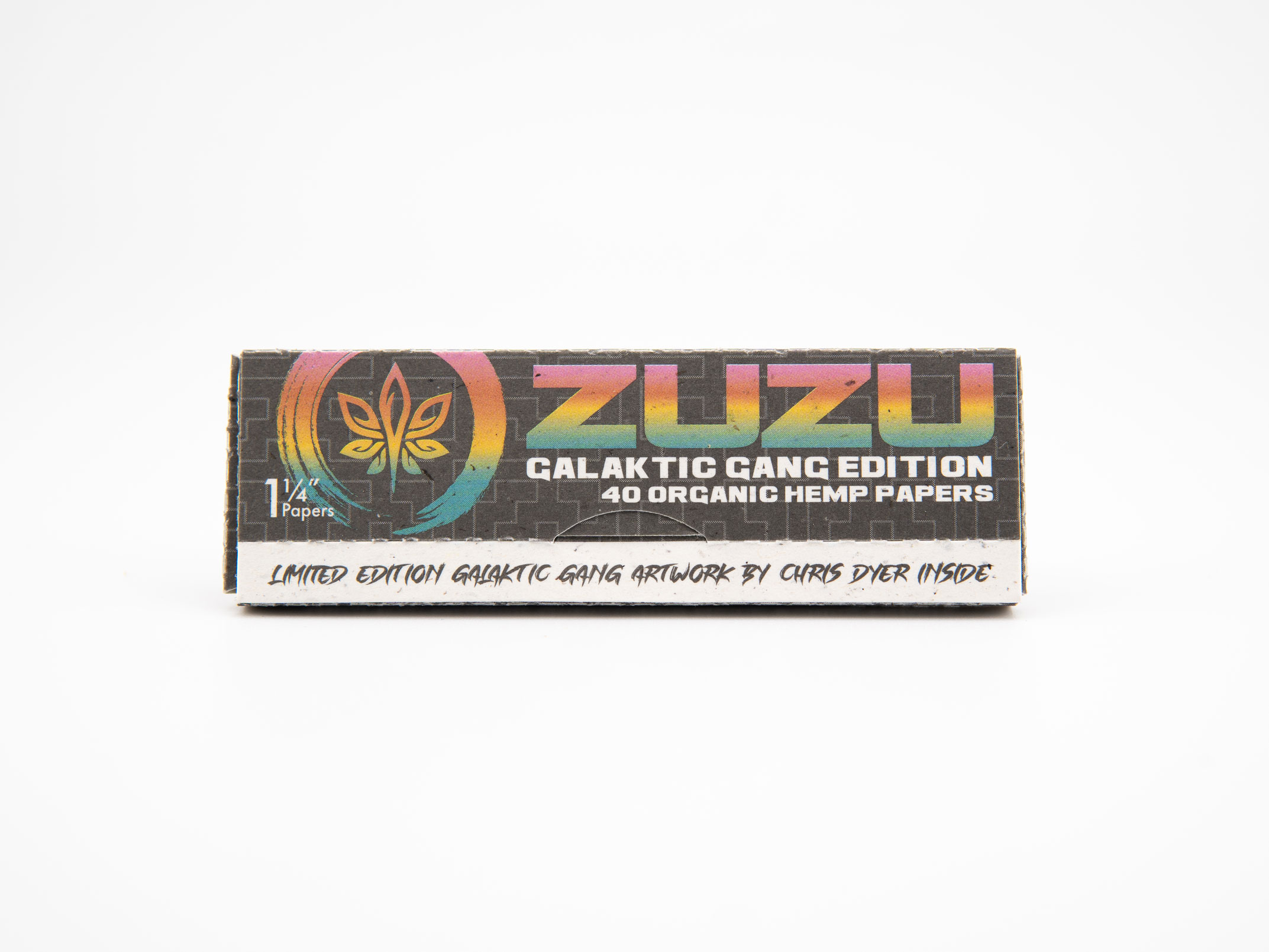
ZZZ's Shrooms Booties 6pk 1 1/4 Cones
Green Paradise White 99 (SH) 14g
Green Paradise White 99 (H) 28g
D2D Tamarindo (H) 14g
D2D Sherbacio Warhead (H) 14g
D2D Sherbanger 22 (H) 14g























Join our newsletter to stay up to date on features and releases
By subscribing you agree with our Privacy Policy and provide consent to receive updates from our company.
Our products are not approved by the FDA to treat, cure or prevent any disease.
FDA has not evaluated this product for safety, effectiveness or quality. There may be long term adverse health effects from consumption of cannabis, including additional risks to women who are or may become pregnant or are breastfeeding.
Poison Control – 1-800- 222-1222
For use only by adults 21 or older. Keep out of reach of children. Do not drive a motor vehicle or operate heavy machinery while under the influence of cannabis. Be CAUTIOUS, Cannabinoid edibles can take up to two hours or more to take effect.
We strive to work with pesticide free growers. Any known pesticides will be listed on the product itself.
While we try our best to keep our inventory up to date on our site, we may run out of stock from time to time. We will do our best to substitute your order with inventory that is in stock.
© 2025 Score 420. All rights reserved.
Thanks for Supporting a Locally Owned Small Business
Growflow ecom integration by Logic Ecom
Web design & SEO by DopeSEO