Score420 Is Sending You to the 2026 New Mexico State Fair
September 14, 2026

Score 420 4th St
Score 420 Alamogordo
Score 420 Appaloosa
Score 420 Clovis
Score 420 East Central
Score 420 Farmington
Score 420 Fort Sumner
score 420 Gallup
Score 420 Hobbs
Score 420 Las Cruces
Score 420 Nob Hill
Score 420 Old Coors
Score 420 Old Town
Score 420 Sunland Park
Proper cannabis storage is crucial for maintaining the freshness and potency of your stash. Ensuring you store your cannabis correctly can significantly impact its quality over time.
Maintaining cannabis freshness involves controlling several critical environmental factors: temperature, humidity, airtightness, and UV light exposure. Each element influences the chemical composition and overall quality of stored cannabis.
Temperature directly impacts the potency of cannabis by affecting the stability of cannabinoids such as THC and CBD. Ideal storage temperatures should remain at or below 70°F (21°C). Elevated temperatures accelerate the degradation of THC, leading to diminished psychoactive effects and altered flavor profiles. Prolonged exposure to heat can cause trichomes—the resinous glands containing cannabinoids and terpenes—to become brittle and break off, reducing potency.
Humidity control plays a crucial role in preserving the texture, aroma, and safety of cannabis. The optimal relative humidity (RH) range for cannabis storage is between 55% and 65%. Excessive moisture above this range fosters mold growth, which compromises both safety and quality. Conversely, overly dry conditions cause the buds to become brittle, lose terpenes rapidly, and develop a harsh smoke. Maintaining a balanced humidity level keeps cannabis slightly springy to the touch while preserving its natural aroma.
Airtight containers minimize oxygen exposure, which otherwise promotes oxidation—a chemical process that degrades cannabinoids and terpenes over time. Oxygen exposure accelerates THC conversion into less potent compounds like CBN (cannabinol), resulting in weaker effects and stale flavors. Containers with proper seals prevent air exchange, thus slowing degradation and extending shelf life.
Ultraviolet (UV) light triggers photodegradation in cannabis by breaking down cannabinoid molecules when exposed for extended periods. This results in reduced potency and altered chemical profiles that affect taste and therapeutic properties. Protecting stored cannabis from direct sunlight or UV sources helps maintain its freshness; this can be achieved by using opaque containers or glass jars with built-in UV protection.
Key storage principle: Control temperature and humidity precisely, use airtight containers to limit oxygen contact, and shield cannabis from UV light to preserve maximum freshness and potency.
Glass containers play a crucial role in maintaining the freshness of cannabis due to their ability to protect against light and air exposure. The UV protection offered by glass jars helps prevent the degradation of cannabinoids and terpenes, ensuring your weed stays potent for longer periods. Additionally, glass is non-reactive, preserving the flavor profile of the cannabis without any interference from external elements.
Humidity control is another essential aspect of proper cannabis storage. Humidification pods are designed to regulate the moisture levels within the container, keeping it within the optimal range of 55-65% RH. This helps prevent the flower from drying out or becoming too moist, both of which can negatively impact its quality and potency.
Evergreen glass jars are specifically designed for effective cannabis storage. These jars come equipped with features such as UV protection, a silicone sleeve for added protection, an airtight seal to prevent air exposure, and an erasable marker for easy labeling. By using Evergreen glass jars, you can ensure that your cannabis remains fresh, flavorful, and potent for an extended period.
By incorporating these best practices – utilizing glass containers with UV protection, employing humidification pods for moisture control, and investing in specialized storage solutions like Evergreen glass jars – you can significantly enhance the longevity and quality of your stored cannabis.
Proper long-term storage of cannabis is essential to preserve its freshness, potency, and safety. Understanding the lifespan of well-stored cannabis and how THC degrades over time helps in planning usage and storage methods effectively.
Mold growth represents a significant risk during long-term storage, compromising both safety and quality.
Adhering to these guidelines ensures cannabis remains safe for consumption while preserving its aromatic and psychoactive qualities over extended periods.
When it comes to storing weed, the choice of storage containers can significantly impact its freshness and potency. Let’s explore the advantages of using glass jars over plastic bags for long-term weed storage.
Glass jars offer superior protection against external elements while maintaining the quality and potency of stored cannabis. Investing in quality glass containers can significantly enhance the longevity and freshness of your weed stash.
Knowing how to identify bad or old weed is crucial for both safety and enjoyment. By being able to spot signs of mold or potency loss, users can steer clear of consuming cannabis that has gone bad.
Here are some visual cues that may indicate the presence of mold on your cannabis:
The smell of your cannabis can also provide clues about its freshness. Here are some olfactory indicators that may suggest the presence of mold:
In addition to visual and olfactory cues, there are other signs that can indicate a decline in potency and flavor:
Here are some additional observations that can help you assess the quality of your cannabis:
By being vigilant and detecting these signs early on, you can prevent yourself from ingesting harmful substances and ensure that you enjoy cannabis at its peak quality. Remember to also practice proper storage techniques discussed earlier to help mitigate such deterioration.
Freezing cannabis may seem like an effective way to preserve freshness for extended periods, but it carries significant risks that can compromise quality:
Due to these factors, freezing cannabis is generally discouraged unless proper vacuum-sealing and moisture control are rigorously maintained. Even then, the risk of degradation remains higher compared to controlled room temperature storage.
Cigar humidors are designed to maintain high humidity levels optimal for tobacco products. However, their use for storing cannabis is unsuitable based on several considerations:
Using purpose-built cannabis storage solutions with calibrated humidity control and airtight features is advisable over repurposing cigar humidors. These specialized containers maintain optimal environmental conditions that preserve potency, flavor, and safety more effectively.
Selecting appropriate storage methods tailored specifically to cannabis biology ensures longevity and quality preservation beyond what conventional alternatives like freezing or cigar humidors can offer.
Grinding cannabis before storage can significantly impact its degradation rates. When cannabis is ground, it exposes more surface area to oxygen and light, which speeds up the degradation process. To keep your cannabis fresh and potent, it’s best to store the buds whole and only grind them when you’re ready to use them.
Utilizing less potent weed effectively can be a creative process that allows you to make the most out of your stash. Here are some tips on repurposing less potent weed:
By exploring these options, you can make the most out of even the least potent cannabis in your collection. Remember that being resourceful with your stash not only reduces waste but also allows you to experiment with different consumption methods and applications.
Proper cannabis preservation methods play a crucial role in maintaining the freshness, potency, and safety of your cannabis. Attention to temperature, humidity, airtight storage, and light exposure ensures that the quality of cannabis remains intact over time. Selecting the right containers and handling techniques further enhances longevity and user experience.
For those seeking reliable storage solutions and premium products designed specifically for cannabis preservation, explore the offerings at score420.store. Their comprehensive range supports effective long-term cannabis storage, helping users maximize the value and enjoyment of their cannabis investments.
Proper cannabis storage is essential to preserve the freshness and potency of your weed. Storing cannabis correctly prevents degradation caused by factors like temperature fluctuations, humidity imbalance, exposure to UV light, and air exposure, ensuring that the cannabinoids and terpenes remain intact for an optimal experience.
Several key factors impact cannabis freshness including temperature, humidity levels, airtightness of containers, and exposure to UV light. High temperatures can degrade THC potency; improper humidity can lead to mold growth or dryness; lack of airtight sealing allows oxygen to degrade cannabinoids; and UV light exposure accelerates cannabinoid breakdown.
The best practices include using glass containers with UV protection to shield from harmful light, employing humidification pods to maintain optimal humidity levels (around 55-62%), and choosing specialized storage solutions like Evergreen glass jars designed for cannabis preservation. These methods help maintain potency, aroma, and flavor over time.
Well-stored cannabis can retain its potency for several months up to a year. However, THC degradation occurs gradually over time, especially if exposed to unfavorable conditions. To prevent mold growth, it’s crucial to maintain proper humidity levels and use airtight containers. Regularly checking stored cannabis helps detect any early signs of spoilage.
Glass jars provide a superior airtight seal that protects against oxygen exposure, which degrades cannabinoids in plastic bags over time. Glass is also non-porous and does not leach chemicals into the cannabis. Additionally, glass jars with UV protection help prevent light-induced THC breakdown, making them ideal for preserving freshness and potency compared to plastic bags.
Common indicators include visible mold growth characterized by fuzzy white or gray patches, a musty or off-putting odor indicating spoilage, and a noticeable decline in aroma intensity. Potency loss signs include diminished flavor profiles and reduced psychoactive effects during use. Regular inspection using visual and olfactory cues helps ensure quality maintenance.

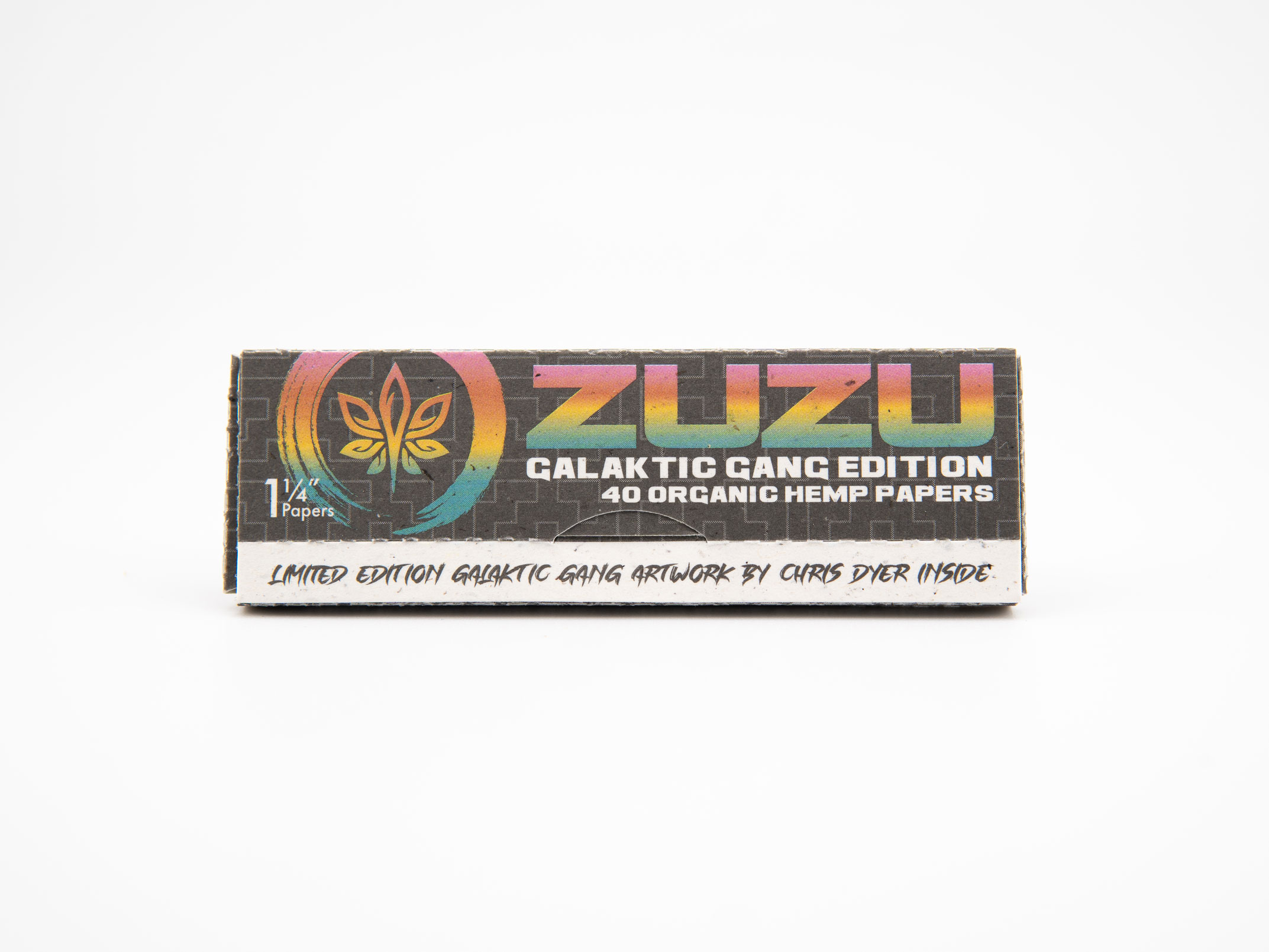
ZZZ's Shrooms Booties 6pk 1 1/4 Cones
Green Paradise White 99 (SH) 14g
Green Paradise White 99 (H) 28g
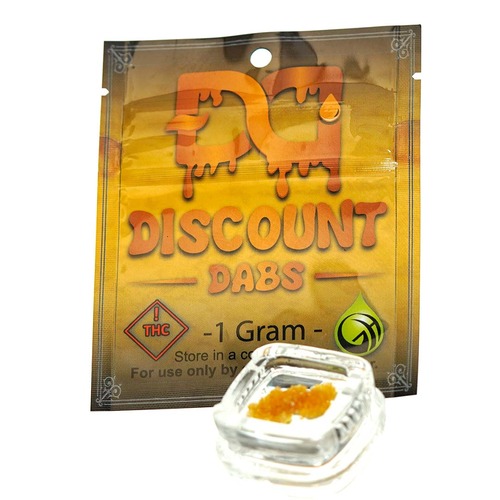
D2D Tamarindo (H) 14g
D2D Sherbacio Warhead (H) 14g
D2D Sherbanger 22 (H) 14g









































Join our newsletter to stay up to date on features and releases
By subscribing you agree with our Privacy Policy and provide consent to receive updates from our company.
Our products are not approved by the FDA to treat, cure or prevent any disease.
FDA has not evaluated this product for safety, effectiveness or quality. There may be long term adverse health effects from consumption of cannabis, including additional risks to women who are or may become pregnant or are breastfeeding.
Poison Control – 1-800- 222-1222
For use only by adults 21 or older. Keep out of reach of children. Do not drive a motor vehicle or operate heavy machinery while under the influence of cannabis. Be CAUTIOUS, Cannabinoid edibles can take up to two hours or more to take effect.
We strive to work with pesticide free growers. Any known pesticides will be listed on the product itself.
While we try our best to keep our inventory up to date on our site, we may run out of stock from time to time. We will do our best to substitute your order with inventory that is in stock.
© 2025 Score 420. All rights reserved.
Thanks for Supporting a Locally Owned Small Business
Growflow ecom integration by Logic Ecom
Web design & SEO by DopeSEO