Score420 Is Sending You to the 2026 New Mexico State Fair
September 14, 2026

Score 420 4th St
Score 420 Alamogordo
Score 420 Appaloosa
Score 420 Clovis
Score 420 East Central
Score 420 Farmington
Score 420 Fort Sumner
score 420 Gallup
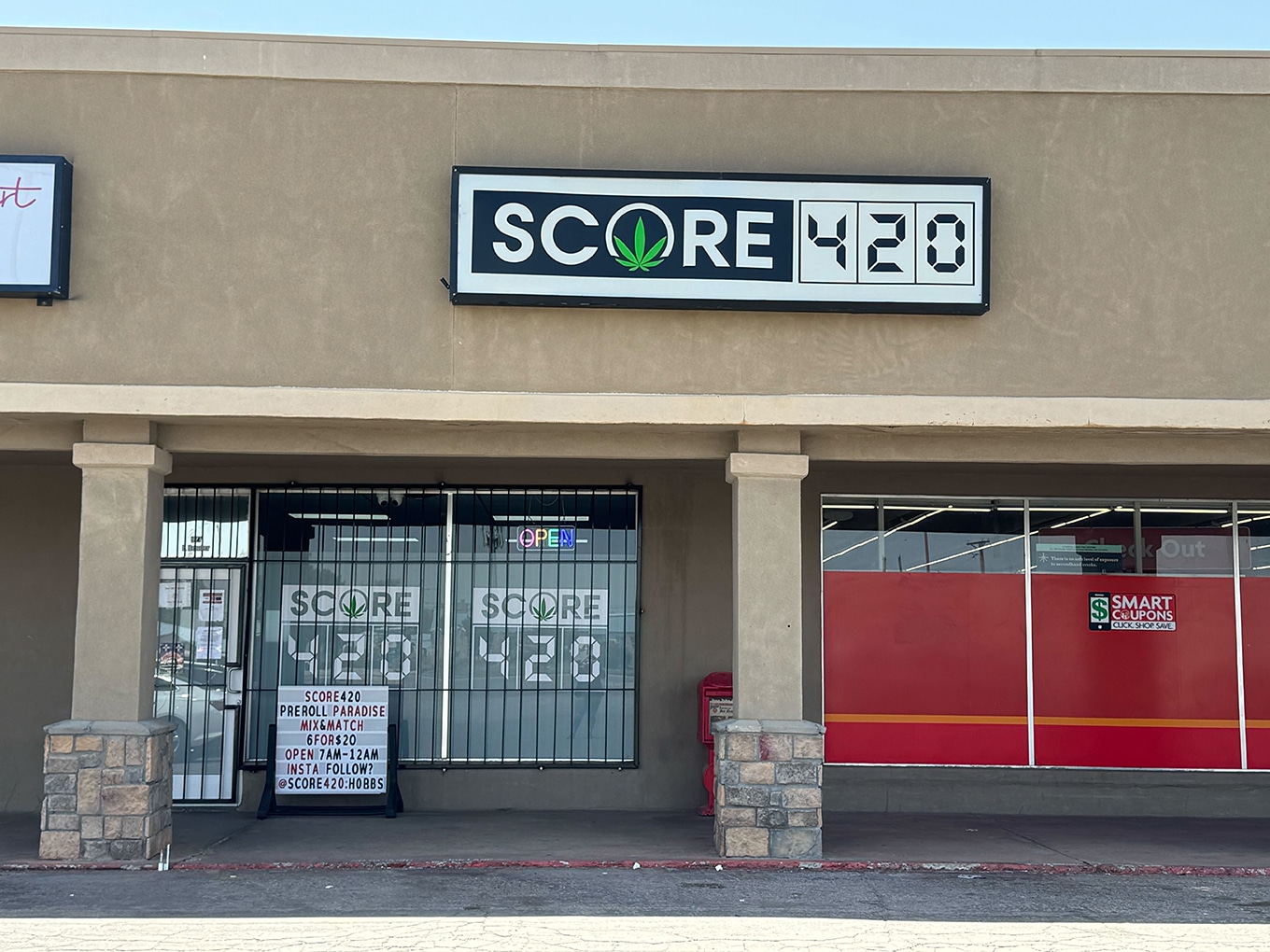
Score 420 Hobbs
Score 420 Las Cruces
Score 420 Nob Hill
Score 420 Old Coors
Score 420 Old Town
Score 420 Sunland Park
Texas has recently implemented a significant ban targeting THCA and hemp-derived THC products, reshaping the landscape for cannabis in the state. This new restriction caps the combined THC/THCA content in products sold at tx weed stores and other outlets, directly impacting a range of popular items once thriving in Texas’ expansive hemp market.
The significance of this ban extends beyond product availability. It marks a pivotal moment in Texas’ evolving approach to cannabis legislation—a state traditionally cautious about broad legalization but now navigating complex regulatory updates. For those involved in the cannabis industry Texas, these changes signal a recalibration of what’s allowed within legal boundaries.
Key groups affected include:
This article breaks down what the Texas THCA ban entails, why it matters, and what it means for everyone connected to legal cannabis in Texas—from business owners to users seeking alternative therapies.
THCA definition is key to understanding the new cannabis regulations in Texas. Tetrahydrocannabinolic acid (THCA) is a non-psychoactive cannabinoid found naturally in raw cannabis and hemp plants. It differs from THC (tetrahydrocannabinol), the compound responsible for the classic “high” associated with cannabis. THCA itself does not produce intoxicating effects, but when heated through a process called decarboxylation—such as smoking, vaping, or cooking—it converts into THC, activating its psychoactive properties.
This distinction has been central to Texas’ approach toward hemp-derived products. While THC remains tightly regulated under both federal and state law due to its intoxicating effects, THCA has occupied somewhat of a legal gray area because it doesn’t cause intoxication until converted.
Why Has THCA Been Popular in Texas Smoke Shops?
Texas smoke shops have seen a surge in hemp-derived products containing THCA because they offer consumers a way to experience potential therapeutic benefits without initially breaking the low-THC threshold set by law (0.3%). Products like smokable hemp flower and concentrates rich in THCA were attractive due to:
For instance, exploring popular cannabis strains available at Score 420 stores could provide insights into which strains are favored for their therapeutic benefits.
Heating or smoking these products activates their THC content, crossing the line from legal hemp-derived goods into controlled substances under Texas law. This creates a challenging regulatory environment:
Manufacturers must now carefully consider product formulation and testing to ensure compliance. This affects how hemp-derived THC products are developed and sold, pushing many out of the market or forcing reformulation.
Understanding this chemical relationship between THCA and THC helps explain why Texas is tightening restrictions on these products now. It also highlights why consumers, retailers, and producers face significant uncertainty navigating cannabis compounds in Texas’ evolving legal landscape.
Moreover, for those interested in incorporating cannabis into their lifestyle responsibly, it’s crucial to understand how to safely and responsibly enjoy cannabis products. Furthermore, gaining knowledge about cannabis dosages for a better experience can enhance your overall enjoyment and understanding of these substances.
The Texas Legislature has approved a significant piece of legislation targeting hemp-derived THC products, marking a shift in how these substances are regulated under state law. This new law specifically bans the manufacture, distribution, and sale of hemp products containing more than 0.3% combined THC and THCA by weight. This threshold applies to the total amount of tetrahydrocannabinol (THC) and tetrahydrocannabinolic acid (THCA), combining their levels rather than treating them separately as had been done in previous regulations.
Several popular product types are directly impacted by this ban:
The legislation carves out an important exception for medical marijuana patients enrolled in Texas’ limited Compassionate Use Program (CUP). Licensed dispensaries providing medical cannabis products under this program are not bound by the same restrictions on combined THC/THCA content. This means:
This law represents more than just a product ban; it’s part of an emerging regulatory framework focusing on strict control over hemp-derived cannabinoids in Texas.
Key points include:
The inclusion of delta-8 THC in these restrictions is especially notable given its previously ambiguous legal status nationwide and popularity in states with limited recreational cannabis laws.
Understanding these Texas THCA ban specifics helps clarify what’s allowed on shelves and highlights the state’s intent to clamp down on psychoactive hemp derivatives beyond traditional definitions of THC content.
This wave of change ties closely into broader hemp product restrictions TX, reflecting a trend toward more defined limits on cannabinoids that mimic marijuana’s effects without falling under full cannabis regulation.
The new Texas THCA ban is shaking up the landscape for smoke shops and hemp retailers across the state. One of the most immediate effects is the jump in licensing fees TX from a modest $150 to a steep $5,000 per location annually. This sharp increase puts a heavy financial burden on many small businesses that rely on hemp product sales as a significant part of their revenue. For some, this might mean reconsidering whether they can continue operating under these new economic pressures.
Beyond just fees, there are tighter smoke shop regulations TX regarding packaging and product testing. The law now demands more rigorous standards to ensure consumer safety and compliance with THC/THCA limits. Retailers must navigate these stricter rules while maintaining shelf appeal and customer trust—a balancing act that’s both complex and costly.
The ban’s prohibition on smokable hemp products hits inventory management hard. Products that were once staples in Texas hemp retailers’ offerings—like smokable hemp flower containing THCA—are now off-limits. This forces stores to either pivot their product mix or face losing customers who specifically seek those items. Some shops may scramble to find compliant alternatives, while others could experience shrinking sales as loyal buyers turn elsewhere.
These changes create a ripple effect through the retail cannabis ecosystem in Texas, pushing some operators toward consolidation or exit, while others might explore new business models to stay afloat amid evolving market conditions.
The Texas hemp market economy was thriving before the new ban, generating approximately $5.5 billion in revenue and supporting over 8,500 operators across the state. This extensive network included farmers, processors, distributors, and retailers who played a crucial role in boosting local economies and creating jobs. Hemp products, especially those containing THCA and delta-8 THC, had become essential items in many smoke shops and dispensaries, driving growth in the cannabis business TX sector.
Tightening regulations are set to reshape how businesses operate within Texas’ hemp industry. The significant increase in licensing fees combined with stricter packaging and testing protocols means:
These changes could lead to a more consolidated market dominated by larger players able to absorb increased expenses, reducing diversity and competition in the hemp industry revenue TX landscape.
Restrictions on popular hemp-derived products risk pushing consumers toward less regulated or illicit sources. When legal options become too expensive or limited in product offerings:
“Consumers seeking higher potency or diverse hemp products might turn to unregulated vendors or black-market alternatives.”
This shift poses a threat to public safety due to lack of quality control and undermines tax revenues generated by lawful businesses. It also complicates enforcement efforts as authorities try to stop illegal sales while supporting legitimate operators.
Beyond direct impacts on cannabis businesses TX, these regulatory changes influence related industries such as agriculture suppliers, transport services, and retail real estate tied to hemp operations. Reduced participation can lead to:
The balance between protecting public health through regulation and sustaining a vibrant Texas hemp market economy becomes increasingly delicate as these new laws take effect.
The landscape of medical cannabis regulations varies dramatically when comparing medical cannabis Texas vs New Mexico. These differences highlight how state policies shape patient access and industry development.
Texas operates under the Compassionate Use Program (CUP), which is notably restrictive. Key features include:
Patients in Texas often face challenges obtaining effective relief because the program’s narrow scope limits both the types of medical conditions recognized and the potency of available cannabis products.
In contrast, New Mexico has developed a more comprehensive medical marijuana law with several advantages:
This flexibility makes New Mexico’s system more accommodating for patients seeking tailored treatment options involving a range of cannabis products. Moreover, top cannabis strains grown in New Mexico offer diverse therapeutic benefits.
| Aspect | Texas Compassionate Use Program | New Mexico Medical Cannabis Program |
| Qualifying Conditions | Very limited (e.g., epilepsy, MS) | Broad spectrum including chronic pain, PTSD |
| Allowed THC Content | Typically <1% THC | Higher THC concentrations permitted |
| Product Forms | Oils, capsules | Flower, edibles, tinctures, topicals |
| Home Cultivation | Not allowed | Allowed for registered patients |
| Patient Access | Highly restricted | More accessible with varied product options |
These regulatory disparities have real consequences:
The gap between cannabis laws comparison TX NM underscores how state policies can either restrict or empower medical cannabis users. For those navigating treatment choices near state borders such as Texas and New Mexico, understanding these differences is crucial.
Understanding the legal standing of THCA vs THC in Texas involves diving into some nuanced science and legislation. Though chemically related, these two cannabinoids are treated quite differently under the state’s hemp cannabinoid regulations.
THCA: Non-Psychoactive but Closely Watched
THCA (tetrahydrocannabinolic acid) is a naturally occurring cannabinoid found in raw cannabis and hemp plants. It’s non-psychoactive in its natural form, meaning it doesn’t produce the “high” associated with THC.
Why the confusion?
When heated through smoking, vaping, or cooking—a process called decarboxylation—THCA converts into THC, which is psychoactive. This chemical link makes regulators cautious because products high in THCA can potentially become intoxicating if used improperly.
Texas law has traditionally focused on keeping delta-9 THC content below 0.3% to classify hemp as legal under federal guidelines. However, the new Texas THCA ban introduces a stricter approach:
This shift acknowledges that both cannabinoids contribute to potential psychoactivity once consumed, tightening regulatory control over hemp-derived products.
Manufacturers face fresh challenges adapting to these compounded limits:
The crackdown on combined psychoactive cannabinoids under Texas law pushes the industry toward more sophisticated compliance strategies, reshaping how hemp products are developed and marketed within the state.
Texas has seen a notable shift in its cannabis legislation landscape, driven in large part by Governor Abbott’s executive order aimed at tightening controls on synthetic cannabinoids and hemp-derived products. This directive marks a significant pivot toward enhancing public safety while attempting to navigate the complexities of cannabis regulation.
The executive order underscores a commitment to:
This move signals the state’s intent to clamp down on what it views as potentially harmful substances, even when derived from hemp rather than marijuana.
The new THC laws in Texas introduce heightened oversight measures designed primarily to protect public health, with an emphasis on preventing access by minors. Key initiatives include:
These regulatory changes reflect a broader national trend prioritizing consumer safety amid rapid growth in hemp and cannabinoid markets.
While recreational-like hemp products face increased restrictions, Texas is simultaneously expanding its Compassionate Use Program by broadening the list of qualifying medical conditions. Patients now have access to:
This dual approach—tightening recreational product rules while easing medical access—illustrates the state’s cautious but evolving stance on cannabis use.
These policy shifts encapsulate the latest wave of cannabis legislation updates TX is experiencing:
Understanding these broader regulatory dynamics helps clarify why Texas is enacting comprehensive measures affecting both consumers and industry players across the board.
The Texas THCA ban opens up a new chapter for the cannabis industry, requiring businesses to make quick changes in order to survive amidst shifting regulations. Many are closely watching the upcoming release of medical cannabis licenses expected in April 2026 as a glimmer of hope. These licenses have the potential to reshape the market by introducing more legitimate and regulated product options, while also easing some of the current restrictions faced by patients and providers.
Anticipated Market Shifts with New Medical Licenses
With the introduction of new medical licenses, we can expect the following changes in the cannabis market:
To navigate the future cannabis regulations in Texas, businesses need to adopt creative strategies:
As consumers face limited recreational hemp-like options, they may turn towards licensed medical channels or seek alternatives outside regulated markets. While this shift might slow down overall industry growth, it has the potential to enhance product safety standards. Stricter regulations could create a more stable market environment where quality control and patient needs take precedence over rapid expansion.
“The Texas cannabis market is at a crossroads — business resilience and regulatory compliance will define its trajectory through these transformative years.”
Businesses that are willing to adapt proactively have a better chance of thriving within Texas’ changing cannabis framework. The complex relationship between restrictive hemp laws and expanding medical marijuana access will shape how the Lone Star State’s cannabis industry grows, innovates, and serves its consumers in the future.
As consumer preferences evolve, understanding [how to choose the perfect cannabis strain for every mood](https://score420.store/how-to-choose-the-perfect-cannabis-strain-for-every-mood) or what you need to know about cannabis concentrates will become increasingly important for both consumers and businesses alike.
The new Texas THCA ban prohibits the manufacture, distribution, and sale of hemp-derived THC products containing more than 0.3% combined THC/THCA. This legislation affects product categories including delta-8 THC and smokable hemp flower with THCA, aiming to tighten regulations within Texas’ evolving cannabis market.
THCA (tetrahydrocannabinolic acid) is a non-psychoactive cannabinoid found in hemp that converts to psychoactive THC through decarboxylation. Texas law now enforces limits on combined THC/THCA content rather than just THC alone, affecting how manufacturers formulate compliant products.
The ban increases annual licensing fees from $150 to $5,000 per location and imposes stricter packaging and testing requirements. These changes create financial challenges for small businesses, disrupt inventory by prohibiting smokable hemp products, and may lead some operators to exit the regulated market.
Texas operates a limited Compassionate Use Program with strict qualifying conditions and lower allowable THC content, whereas New Mexico has more expansive medical cannabis laws offering broader patient access. These differences significantly influence patient options and access to medical marijuana in both states.
Governor Greg Abbott issued an executive order supporting stricter controls on synthetic cannabinoids and hemp-derived products. The state has increased regulatory oversight including enhanced packaging standards to protect public health, particularly minors, while expanding qualifying conditions for medical marijuana and restricting recreational-like hemp products.
With upcoming medical cannabis licenses expected by April 2026, businesses must adapt to high licensing costs and product restrictions. Strategies may include focusing on compliant medical markets while anticipating long-term shifts in consumer behavior within a more regulated environment that could influence industry growth.

ZZZ's Shrooms Booties 6pk 1 1/4 Cones
Green Paradise White 99 (SH) 14g
Green Paradise White 99 (H) 28g
D2D Tamarindo (H) 14g
D2D Sherbacio Warhead (H) 14g
D2D Sherbanger 22 (H) 14g
































Join our newsletter to stay up to date on features and releases
By subscribing you agree with our Privacy Policy and provide consent to receive updates from our company.
Our products are not approved by the FDA to treat, cure or prevent any disease.
FDA has not evaluated this product for safety, effectiveness or quality. There may be long term adverse health effects from consumption of cannabis, including additional risks to women who are or may become pregnant or are breastfeeding.
Poison Control – 1-800- 222-1222
For use only by adults 21 or older. Keep out of reach of children. Do not drive a motor vehicle or operate heavy machinery while under the influence of cannabis. Be CAUTIOUS, Cannabinoid edibles can take up to two hours or more to take effect.
We strive to work with pesticide free growers. Any known pesticides will be listed on the product itself.
While we try our best to keep our inventory up to date on our site, we may run out of stock from time to time. We will do our best to substitute your order with inventory that is in stock.
© 2025 Score 420. All rights reserved.
Thanks for Supporting a Locally Owned Small Business
Growflow ecom integration by Logic Ecom
Web design & SEO by DopeSEO